Treating Dupuytren's Contracture

Dupuytren's Contracture is a progressive disease that usually develops slowly over time. While it is not life-threatening, it can have a significant impact on a person's ability to perform everyday tasks, thanks to its impact on the hands and fingers. In severe cases, it can even affect an individual’s ability to work, making treatment vital. Treatment for Dupuytren's Contracture in Glasgow options vary depending on the severity of the condition and can range from non-surgical interventions to surgical procedures, all of which are offered at Elanic Medical’s state-of-the-art Glasgow medical facility. If you’d like to learn more about how we can work with you to help you find the relief you need, reach out to Elanic Medical in Glasgow and speak with a helpful member of our team to set up your initial consultation today.

Do I Have Dupuytren's Contracture?

Dupuytren's Contracture is a progressive condition that affects the hands and fingers, causing the connective tissue in the palm of the hand to thicken and form nodules. Over time, these nodules can develop into cords that pull the fingers inward, making it difficult to straighten them.
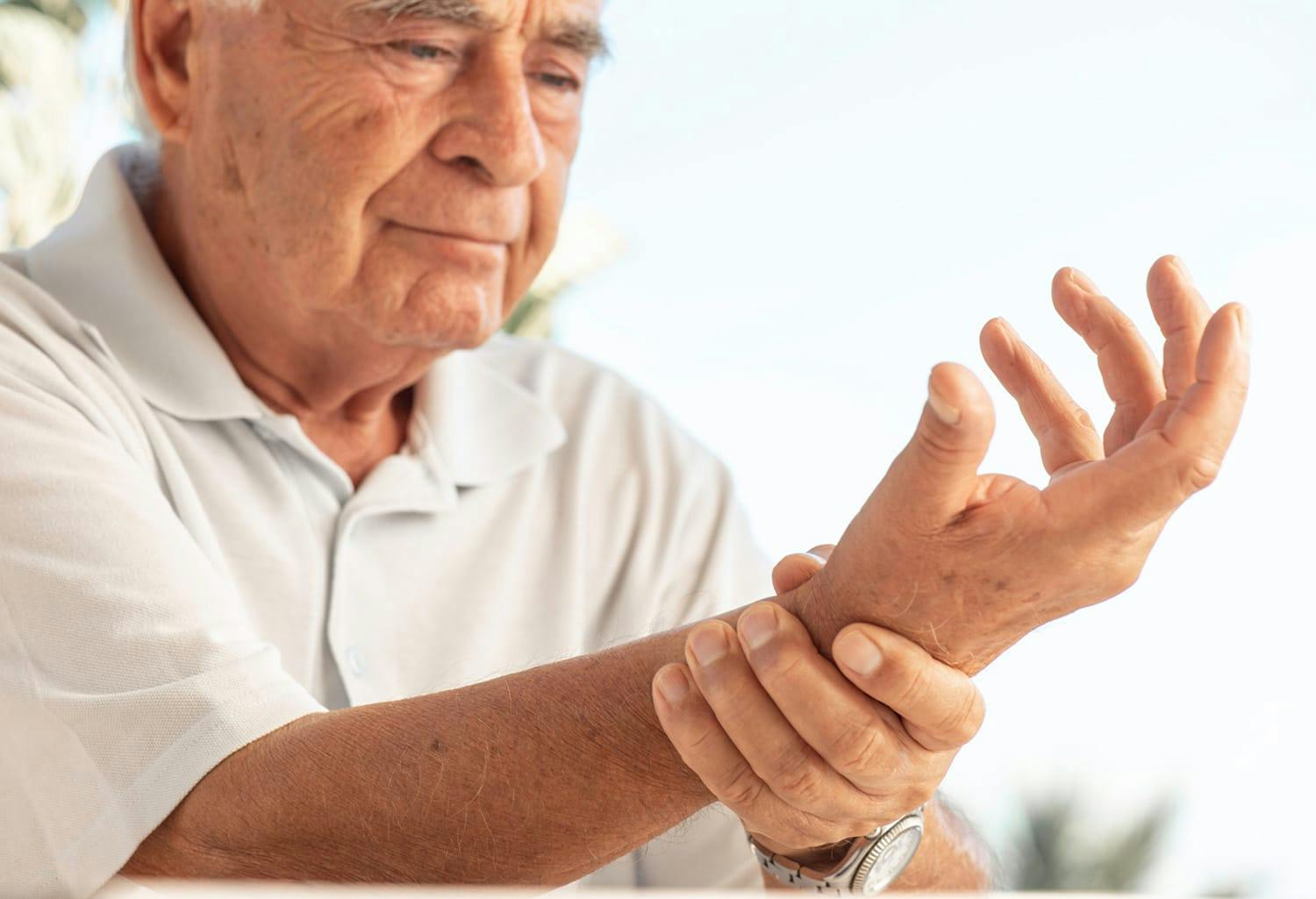
The symptoms of Dupuytren's Contracture usually appear gradually and can vary in severity. The most common symptom is a thickening of the skin on the palm of the hand, which may feel tender or painful. As the disease progresses, small nodules may develop under the skin. These nodules can eventually form cords that extend into the fingers, causing them to bend inward. Other symptoms may include:

  • Difficulty gripping objects
  • Pain or discomfort when using the affected hand
  • Difficulty performing everyday tasks
  • Trouble with fine motor functions, like buttoning clothes or holding a pen

What Causes Dupuytren’s Contracture?

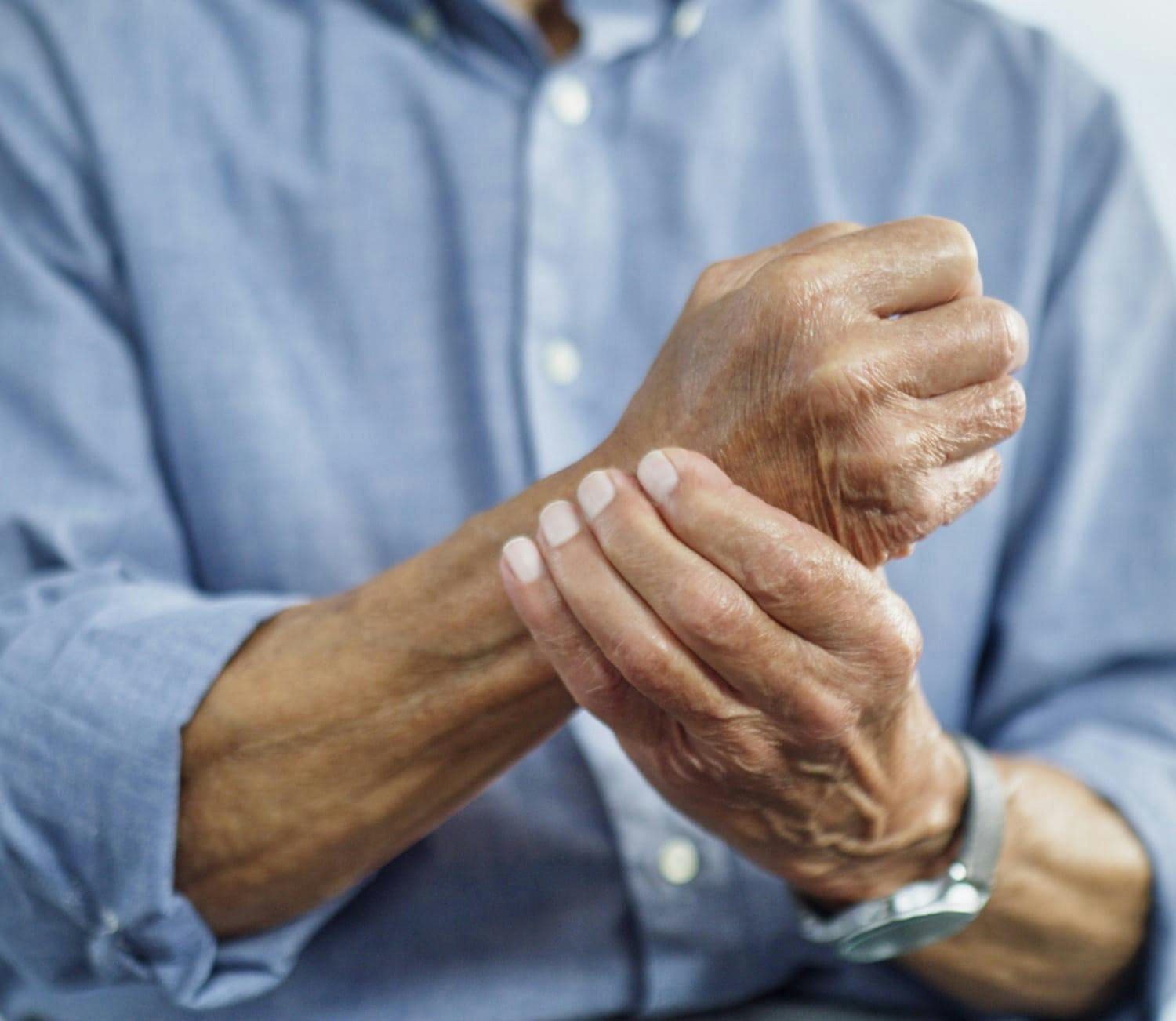
The exact cause of Dupuytren's Contracture is unknown. However, it is believed to be caused by a combination of genetic and environmental factors. Viking's disease is more common in people of Northern European descent and is more common in men than women. Some researchers believe that Dupuytren's Contracture may be linked to certain medical conditions, such as diabetes, thyroid disease, and epilepsy. It may also be linked to certain medications, such as anticonvulsants and cholesterol-lowering drugs.

Banner media

Am I at Risk?

There are several factors that may increase a person's risk of developing viking’s disease in Glasgow. These include:

  • Age: The disease is more common in people over the age of 50
  • Gender: Men are more likely to develop the disease than women
  • Family history: The disease tends to run in families
  • Northern European descent: The disease is more common in people of Northern European descent
  • Smoking: Smoking may increase the risk of developing the disease

Non-Surgical Treatments

For mild cases of Dupuytren's Contracture in Glasgow, non-surgical options may be recommended. These include:

  • Physical therapy: exercises to improve range of motion and flexibility of the fingers
  • Splinting: wearing a splint to keep the affected fingers straight and prevent further contracture
  • Needle aponeurotomy: a minimally invasive procedure where a needle is used to break up the cords causing the contracture

Schedule A Consultation

Contact Us
Contact us media

Surgical Options

If non-surgical options are not effective or the contracture is severe, surgery may be necessary.

Fasciotomy

This is a surgical procedure where the surgeon cuts the cords, causing the contracture to release the affected fingers.

Fasciectomy

This option is a more extensive procedure where the surgeon removes the cords causing the contracture and any surrounding tissue.

Collagen Injection

An injection of an enzyme can break down the cords causing the contracture, followed by manipulation of the affected fingers to release the contracture.

Background media

The Recovery Experience

Recovery from surgery for viking’s disease in Glasgow, will depend on the severity of the contracture and the type of treatment received. After surgery, physical therapy may be necessary to regain the full function of the affected hand. It is important to follow all post-operative instructions provided by the surgeon to ensure proper healing and minimise the risk of complications.

Schedule Your Consultation Today

Dupuytren's Contracture is a condition that affects millions of people worldwide. It is a progressive disease that can cause a significant amount of pain and discomfort, as well as limit the patient's ability to use their hand. While there is currently no cure for Dupuytren's Contracture, there are several treatment options available that can help manage the symptoms and slow the progression of the disease, offered here at our state-of-the-art medical facility.

For more than 10 years now, Elanic Medical has been earning a reputation for excellence in Glasgow and beyond. To learn more about how Elanic Medical can help you, reach out to our Glasgow location and speak with a member of our team to set up your initial consultation today.

Experiences Shared by Our Patients At Elanic Medical In Glasgow

Lynne

Warm environment. Very friendly and professional staff. Although I was initially very nervous was calmed quickly. Well looked after once procedure was done. Would strongly recommend and I would personally use again if ever needed.

Nicola

My recent experience to elanic clinic was made very easy due to how calm and welcoming all the staff where nurses were all absolutely brilliant could not have made me feel more relaxed and a special mention to david and Adam who is just amazing at his job who made me laugh at every opportunity while also being very professional I went in very nervous and left feeling confident in the team around me that they all would take great care of me and even after my surgery have called to check in to make sure I’m feeling ok 100 percent recommend elanic

Sylvia Burns

Excellent service from first going in to coming out next day. Very well treated and doctors and nurses and all staff were so nice and very very helpful. Was told everything they were doing at any time. Would highly recommend.

Tom Wilson

All Elanic Staff were fantastic from pre-op to surgery. A modern facility with professional and courteous Staff who could not do enough for me. I was informed of what was happening all the way through which settled my initial anxiety. Thanks to everyone and special mention to my consultant/surgeon Mr Scott Wilson. He came to see me following the surgery then came back next day to see if i was ok. I wish I had known about Elanic before I did.

Logo media

FAQ's Viking's Disease

What is Dupuytren’s Contracture?

How does Dupuytren’s Contracture typically progress?

What are the early signs of Dupuytren’s Contracture?

How can Dupuytren’s Contracture affect daily activities?

What factors may increase the risk of developing Dupuytren’s Contracture?

Is the cause of Dupuytren’s Contracture known?

What non-surgical treatments are available for Dupuytren’s Contracture?

When is surgery recommended for Dupuytren’s Contracture?

What surgical options are available for treating Dupuytren’s Contracture?

What is the recovery process like after treatment?

What is Dupuytren’s Contracture?

Dupuytren’s Contracture is a progressive hand condition where the fingers gradually bend toward the palm due to thickened connective tissue, making it difficult to fully straighten them.

How does Dupuytren’s Contracture typically progress?

The condition usually develops slowly, beginning with thickened skin on the palm and progressing to nodules and cords that pull the fingers inward over time.

What are the early signs of Dupuytren’s Contracture?

Early signs include thickened or tender skin on the palm and the formation of small nodules beneath the skin.

How can Dupuytren’s Contracture affect daily activities?

It can make everyday tasks such as gripping objects, writing, or buttoning clothes more difficult due to reduced finger mobility and hand function.

What factors may increase the risk of developing Dupuytren’s Contracture?

Risk factors include being over 50, male gender, a family history of the condition, Northern European ancestry, and lifestyle factors such as smoking.

Is the cause of Dupuytren’s Contracture known?

The exact cause is unknown, but it is believed to involve a combination of genetic predisposition and environmental influences, with possible links to certain medical conditions and medications.

What non-surgical treatments are available for Dupuytren’s Contracture?

Mild cases may be managed with physical therapy, splinting to maintain finger position, or minimally invasive procedures like needle aponeurotomy.

When is surgery recommended for Dupuytren’s Contracture?

Surgery is typically considered when the condition becomes severe or when non-surgical treatments are no longer effective in improving hand function.

What surgical options are available for treating Dupuytren’s Contracture?

Surgical treatments may include fasciotomy to release the cords, fasciectomy to remove affected tissue, or collagen enzyme injections to break down the cords.

What is the recovery process like after treatment?

Recovery depends on the severity and type of treatment, but often includes physical therapy to restore hand function and careful adherence to post-operative instructions to ensure proper healing.

Contact us media
Book Consultation