Find Relief from Carpal Tunnel Syndrome

Carpal tunnel syndrome is a condition that occurs when the median nerve, which runs from the forearm to the palm of the hand, becomes compressed at the wrist. This compression can cause numbness, tingling, and pain in the hand and wrist, as well as weakness in the affected hand. Carpal Tunnel Release in Glasgow is an outpatient procedure that relieves the pressure on the nerve and allows it to function properly. If you have been experiencing the symptoms of carpal tunnel syndrome, you may find that your normal activities are interrupted in frustrating, painful ways. Our expert surgeons can help you find the relief you need without subjecting you to lengthy wait times. To learn more about how Elanic Hospital has earned a reputation for excellence in Glasgow and beyond, reach out to our state-of-the-art facility and set up your initial consultation with a helpful member of our team today.

What Is Carpal Tunnel Release?

Carpal tunnel release is a surgical procedure that treats carpal tunnel syndrome, relieving the pain that can be caused by a compressed median nerve and restoring your full range of motion in the process. During the procedure, the surgeon cuts the ligament that forms the roof of the carpal tunnel, increasing the size of the tunnel and reducing pressure on the median nerve.

There are two main types of carpal tunnel release surgery: open release and endoscopic release. Open surgery involves making a small incision in the palm of the hand and cutting the ligament by hand. Endoscopic release surgery involves making one or two small incisions in the wrist and using a camera and specialised tools to cut the ligament.


Banner media

Should I Consider Carpal Tunnel Release?

Carpal tunnel syndrome can be debilitating and affect your daily life in a number of ways, making carpal tunnel surgery in Glasgow necessary for those who experience severe symptoms that do not improve with non-surgical treatments. These symptoms can worsen over time and can lead to difficulty performing daily tasks such as typing, holding objects, and even sleeping. Symptoms include:

  • Numbness or tingling in the hand and fingers
  • Pain in the wrist, hand, and forearm
  • Weakness in the hand and difficulty gripping objects
  • Burning sensation in the hand and fingers

SpireCut Carpal Tunnel Release at Elanic Glasgow

Revolutionising Carpal Tunnel Treatment with Sono Surgery: A Stitch-Free, Faster Recovery Solution

Types of Carpal Tunnel Release Surgery

Open Release Surgery

Open release surgery is the traditional method of performing carpal tunnel release surgery. During this surgery, the surgeon makes a small incision in the palm of the hand and then cuts the ligament that is pressing on the median nerve. This surgery is done under local anesthesia, and the patient can go home on the same day of surgery.

Endoscopic Release Surgery

Endoscopic release surgery is a minimally invasive alternative. The surgeon makes a small incision in the wrist, through which a small camera and surgical instruments are inserted. The surgeon then cuts the ligament that is pressing on the median nerve. This surgery is done under local anesthesia, and the patient can go home on the same day of surgery.

Preparing for Carpal Tunnel Release Surgery

Medical Evaluation

Before undergoing carpal tunnel treatment in Glasgow, the patient will need to undergo a medical evaluation. This evaluation may include a physical exam, blood tests, and imaging tests, such as X-rays or ultrasounds. The purpose of the evaluation is to ensure that the patient is healthy enough to undergo surgery and to identify any potential risk factors that may need to be addressed before the procedure.

Medications to Avoid

Prior to surgery, the patient should avoid taking certain medications that may increase the risk of bleeding or interfere with the anesthesia. These medications may include blood thinners, such as aspirin or warfarin, and certain herbal supplements. The patient should also inform their doctor of any prescription or over-the-counter medications they are taking to ensure that they are safe to continue taking prior to surgery.

Preparing for Anesthesia

Depending on the type of anesthesia used during the procedure, the patient may need to refrain from eating or drinking for a certain period of time before surgery. The patient should also inform their doctor of any allergies or adverse reactions they have had to anesthesia in the past. In addition, the patient should arrange for transportation to and from the surgical facility on the day of the procedure, as they will not be able to drive themselves after the surgery.

Banner media

The Carpal Tunnel Release Procedure

Anesthesia

Before the procedure begins, you’ll be given local anesthesia to numb your wrist and hand. In some cases, you may also be given a light sedative to help you relax and feel more comfortable during the procedure.

Incision Placement

Once the anesthesia has taken effect, the surgeon makes a small incision in the palm of the afflicted hand. The size of the incision will, of course, depend on the technique being used and the surgeon's preference.

Cutting the Transverse Carpal Ligament

The surgeon will then cut the transverse carpal ligament, which is the band of tissue that runs across the wrist and forms the roof of the carpal tunnel. This relieves pressure on the median nerve and allows it to move freely.

Closing the Incision

After the ligament is cut, the surgeon will carefully close the incision with sutures or staples. Your wrist may then be wrapped in a bandage or splint to keep it immobilised while it heals, completing the procedure.

The Experience and Expertise You Deserve

Here at Elanic Hospital, we’ve spent the last 10 years earning a reputation for excellence in Glasgow and the surrounding areas. We offer our patients a handpicked staff, each member of which was chosen for their exceptional skill, extensive training, and inviting bedside manner. When you visit our facilities, you’ll enjoy advanced technology, state-of-the-art equipment, and a welcoming environment in Glasgow’s newest, most advanced private hospital. Ready to learn more about how we can help you enjoy easy, timely access to the high-quality healthcare you know you deserve? Reach out to Elanic Hospital in Glasgow and speak with a helpful member of our team when you’re ready to learn more about how we can help you overcome your health issues and live your life to the fullest.

picture of the office
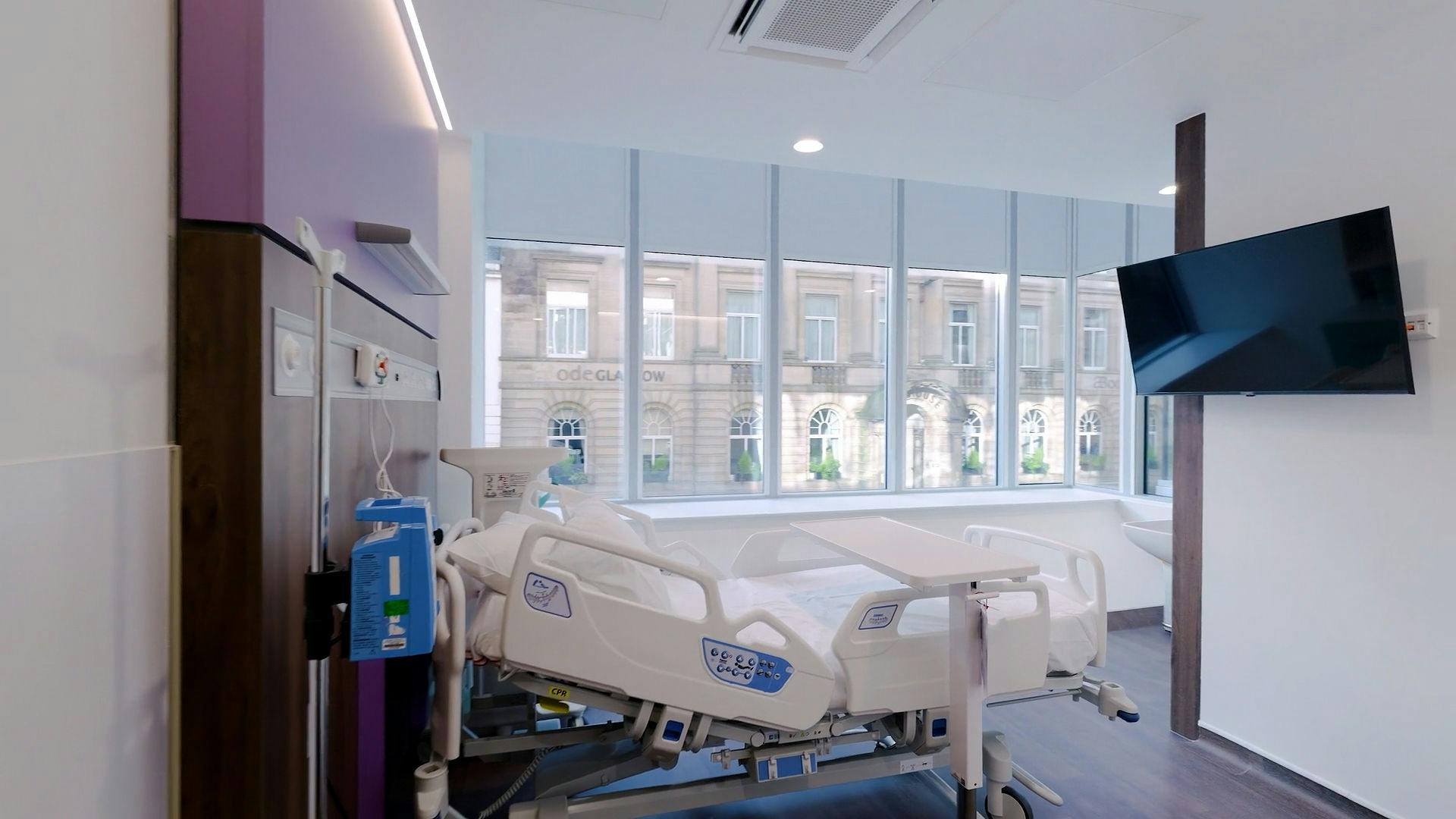
Surgical room with bed
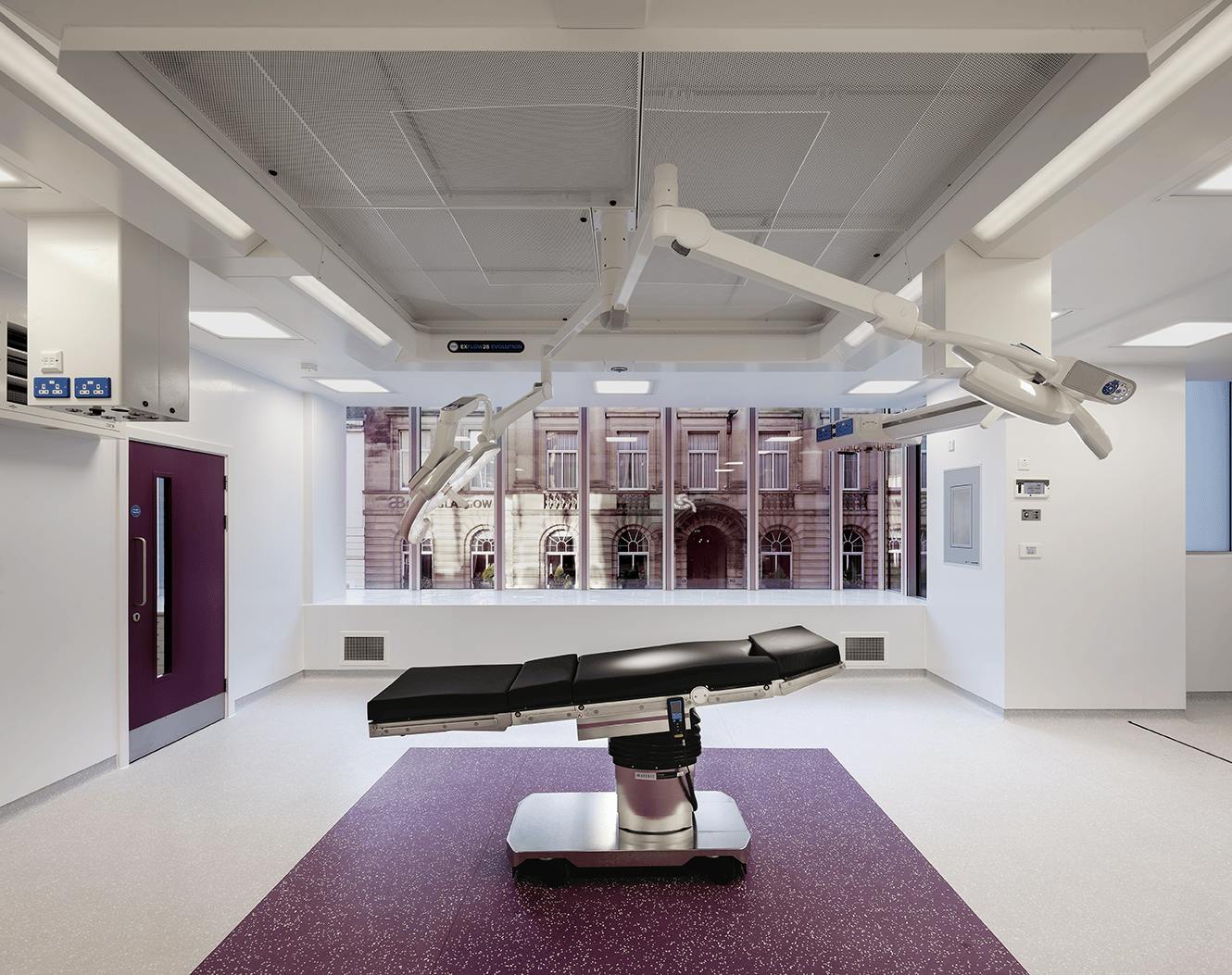
purple modern surgical room

Your Recovery Period

Immediately following your surgery, you’ll be taken to a recovery room to be monitored for a short period of time. Once your anesthesia has worn off, you’ll be ready to head back home, though you’ll need to have someone drive you as the anesthesia wears off. Your hand will be bandaged and immobilised in a splint or brace for a few days to a few weeks, depending on your surgeon's preference. During this time, you should keep their hand elevated to reduce swelling and pain. Pain medication may be prescribed by the surgeon to manage discomfort.

We’ll provide you with a clear set of aftercare instructions, along with a detailed timeline that will help you understand exactly what you can expect after your carpal tunnel release surgery. Most patients are able to return to their normal activities after just a few weeks, but this will vary according to the specifics of your surgery. We work closely with all of our patients and will remain available to you throughout your recovery period should you have any questions for us. To learn more, reach out to our Glasgow offices and set up your consultation today.

Carpal Tunnel Release FAQ's

What is carpal tunnel release surgery?

Who is a good candidate for carpal tunnel release?

What are the common symptoms of carpal tunnel syndrome?

What is the difference between open and endoscopic carpal tunnel release?

Is carpal tunnel release performed under general anesthesia?

How should I prepare for carpal tunnel release surgery?

What happens during carpal tunnel release surgery?

What can I expect during recovery after carpal tunnel release?

How long does it take to return to normal activities after carpal tunnel release?

Why choose Elanic Hospital for carpal tunnel release in Glasgow?

What is carpal tunnel release surgery?

Carpal tunnel release is a surgical procedure that relieves pressure on the median nerve by cutting the transverse carpal ligament, helping reduce pain, numbness, tingling, and weakness caused by carpal tunnel syndrome.

Who is a good candidate for carpal tunnel release?

This procedure is typically recommended for individuals with persistent or severe carpal tunnel syndrome symptoms that have not improved with non-surgical treatments and are interfering with daily activities.

What are the common symptoms of carpal tunnel syndrome?

Common symptoms include numbness or tingling in the fingers, wrist pain, weakness when gripping objects, burning sensations in the hand, and discomfort that may worsen over time.

What is the difference between open and endoscopic carpal tunnel release?

Open release involves a small incision in the palm to access the ligament directly, while endoscopic release uses a small camera and specialized instruments through one or two smaller incisions in the wrist for a minimally invasive approach.

Is carpal tunnel release performed under general anesthesia?

Most carpal tunnel release procedures are performed under local anesthesia to numb the hand and wrist. A light sedative may also be used to help you remain comfortable during surgery.

How should I prepare for carpal tunnel release surgery?

Preparation may include a medical evaluation, reviewing your medications with your surgeon, temporarily stopping certain blood-thinning medications if instructed, following fasting guidelines when necessary, and arranging transportation home after the procedure.

What happens during carpal tunnel release surgery?

Your surgeon will numb the area, make a small incision, divide the transverse carpal ligament to relieve pressure on the median nerve, and then close the incision with sutures or staples before applying a dressing or splint.

What can I expect during recovery after carpal tunnel release?

After surgery, your hand will be bandaged and may be supported with a splint or brace. Keeping your hand elevated, following your aftercare instructions, and taking prescribed pain medication as directed can help support healing.

How long does it take to return to normal activities after carpal tunnel release?

Many patients can resume normal daily activities within a few weeks, although recovery time varies depending on the surgical technique used, the severity of the condition, and individual healing.

Why choose Elanic Hospital for carpal tunnel release in Glasgow?

Elanic Hospital offers consultant-led orthopaedic care, advanced surgical technology, modern facilities, experienced specialists, and timely access to treatment, providing comprehensive support from consultation through recovery.

Contact us media
Book Consultation