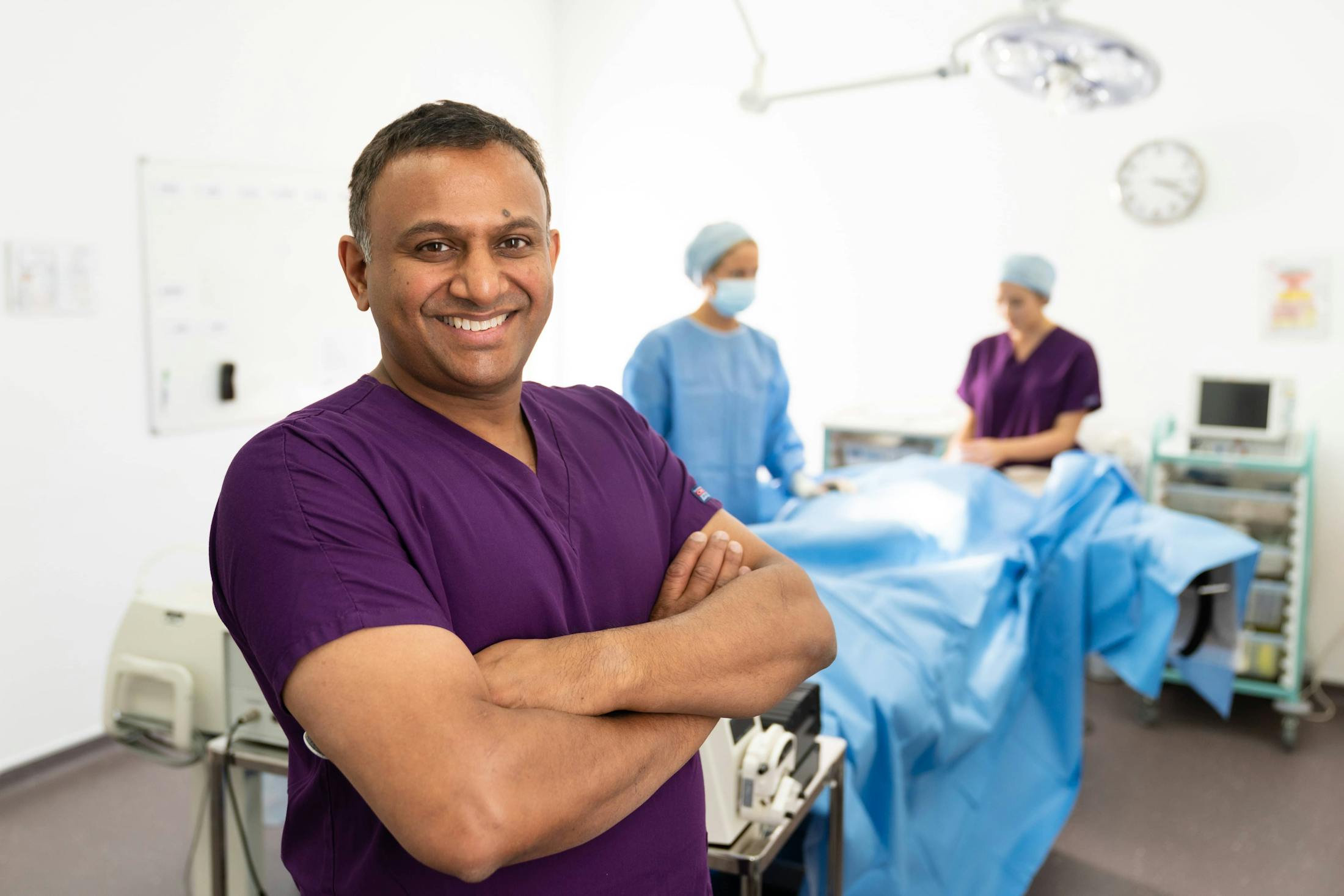
Effective Treatment for Two of the Most Common Gynaecological Conditions

At Elanic Hospital, we believe that living with the chronic discomfort of ovarian cysts or uterine fibroids shouldn’t put your life on hold. These common gynaecological conditions can cause severe pain, heavy bleeding, and heavy disruption to your everyday routine. If conservative treatments haven't provided the relief you deserve, surgical removal is a highly effective path to reclaiming your physical comfort and long-term health. We understand that dealing with these symptoms is stressful, and navigating lengthy waiting lists only adds to the burden. Our state-of-the-art, purpose-built private hospital in Glasgow city centre provides rapid, seamless access to expert Consultant Gynaecologists. The Elanic Hospital Team is dedicated to connecting you with premium, consultant-led surgical care with absolutely no delays.

Woman smiling with beautiful red hair

Why Might You Need Cyst or Fibroid Removal?

Ovarian cysts (fluid-filled sacs on the ovary) and uterine fibroids (benign growths in or around the womb) are incredibly common, but when they grow large or multiple, they require specialist intervention. Our expert consultants regularly perform surgical removals to alleviate a variety of debilitating symptoms, including:

  • Persistent Pelvic Pain: A constant ache, sharp pains, or a feeling of heavy pressure and bloating in your lower abdomen.
  • Abnormal or Heavy Periods: Uterine fibroids frequently cause severe, painful menorrhagia (heavy bleeding) and prolonged menstrual cycles.
  • Bladder or Bowel Pressure: Larger cysts and fibroids can press against surrounding organs, causing frequent urination or constipation.
  • Pain During Intercourse: Deep pelvic discomfort during or after sexual activity.
  • Fertility and Pregnancy Complexities: Depending on their size and location, certain fibroids or cysts can impact your ability to conceive or cause complications during pregnancy.

The Benefits of Cyst & Fibroid Removal at Elanic Hospital

Choosing to have your procedure at our ultra-modern Glasgow hospital ensures a uniquely elevated clinical experience:

  • Immediate Symptom Relief: Freedom from chronic pelvic pressure, bloating, and painful intercourse.
  • Restored Menstrual Health: A significant reduction or total elimination of heavy, unpredictable periods.
  • Preservation of Fertility: Targeted removal that protects your ovaries and uterus, supporting your future family planning goals.
  • Advanced Keyhole Techniques: Minimally invasive methods that result in smaller incisions, remarkably low infection rates, and less post-operative discomfort.
  • Five-Star Clinical Setting: Rest and recover in pristine, premium surroundings supported by an exceptionally high nurse-to-patient ratio for truly attentive care.
Logo media
Banner media

What to Expect

Initial Consultation, Costs & Financing

  • A full review of your symptoms, diagnosis history and any previous treatments.
  • Discussion of your surgical options and whether laparocopic or open surgery is most appropriate
  • Your consultant will explain the procedure clearly, including what will be removed and how
  • Transparent pricing is provided at consultation; patients are encouraged to confirm insurance coverage with their provider
  • Financing options as low as 0% are available. Your Patient Care Coordinator will discuss your payment options.

Your Procedure & Hospital Experience

We perform these advanced keyhole surgeries under general anaesthetic, tailored entirely to your comfort. Depending on the complexity, size, and location of your cysts or fibroids, the procedure typically takes anywhere from 30 minutes to just over two hours.

What Happens During Surgery

  • Laparoscopic Cystectomy: Your consultant uses small, discreet abdominal incisions to carefully separate and remove the cyst from the ovary while preserving your healthy ovarian tissue.
  • Laparoscopic Myomectomy: Individual fibroids are precisely identified and gently removed from the uterine wall, protecting the surrounding tissue and supporting your long-term health.
  • Routine Analysis: Any tissue removed during your procedure is routinely sent for histological analysis to ensure comprehensive, expert evaluation.

Recovery & Return to Routine

Because we utilize advanced laparoscopic (keyhole) techniques, most patients can return home the very same day. If your consultant advises a short stay, you will recover in one of our private, luxury en-suite bedrooms.

Every recovery is unique, which is why the Elanic Hospital Team will construct a bespoke, post-operative aftercare plan tailored directly to you. We will also welcome you back for a dedicated follow-up appointment to ensure you are healing perfectly.

What to Expect in the First Fortnight

Following a laparoscopic (keyhole) procedure, most patients are comfortably discharged within 24 hours. During the first one to two weeks, it is entirely normal to feel mild pelvic discomfort, abdominal cramping, fatigue, or bloating as your body mends internally. We recommend dedicating this time to plenty of rest, paired with gentle walking around the house to boost your circulation.

  • Returning to Work and Driving: Your return to daily life depends on the type of procedure you have.
  • Laparoscopic Surgery: Most patients can comfortably return to light, desk-based work and driving within one to two weeks.
  • Traditional Open Surgery: For more complex cases requiring open surgery, you should plan for a longer recovery of four to six weeks before resuming work.

Protecting Your Healing (Weeks 4–6)

To protect your internal healing and ensure the best possible results, you must strictly avoid strenuous exercise, heavy lifting, and pelvic strain for four to six weeks. Sexual activity should also be paused during this time, or until your surgeon advises it is safe to resume. 

Your Long-Term Results

The rewards of your surgery follow closely behind your recovery. Most patients experience significant symptom relief—including a noticeable reduction in pelvic pain and heavy bleeding—within their very first menstrual cycle following the procedure.

Understanding the Procedures: How Do They Work?

At Elanic Hospital, we utilise advanced surgical protocols and next-generation tools to target and remove benign growths while preserving your reproductive organs whenever possible.

Depending on your diagnosis, your consultant will perform one of two primary procedures:

  1. Ovarian Cystectomy (Cyst Removal) - An ovarian cystectomy isolates and removes the cyst while carefully protecting the surrounding healthy ovary tissue. Where clinically appropriate, our surgeons prioritize a laparoscopic (keyhole) cyst removal. Using tiny incisions and specialised high-definition cameras, the cyst is safely extracted with minimal trauma to your body.
  2. Myomectomy (Fibroid Removal) - A myomectomy is the targeted surgical removal of uterine fibroids. Unlike a hysterectomy, a myomectomy leaves the uterus completely intact, making it the preferred approach for women who wish to preserve their fertility. This can be performed laparoscopically (keyhole surgery), hysteroscopically (through the cervix without external cuts), or via an open abdominal approach for exceptionally large fibroids.
Doctor media

Why Choose Elanic Hospital for Cyst and Fibroid Removal in Glasgow?

Elanic Hospital offers patients direct access to experienced consultant gynaecologists who are skilled in advanced laparoscopic surgery for both cysts and fibroids. Our private hospital in Glasgow provides a purpose-built surgical environment with consistently low infection rates and a dedicated clinical team focused on patient outcomes. Financing options and major health insurance are accepted, and every patient receives a clear, personalised treatment plan from the outset.

Related Procedures

Patients with cysts or fibroids may also benefit from diagnostic laparoscopy and hysteroscopy as part of their assessment. For those with significant fibroid burden or who have completed their family, hysterectomy may also be discussed as an alternative. Endometriosis treatment is available for patients whose investigations reveal co-existing endometriosis.

Book your consultation with the gynaecology team at Elanic Hospital today.

Cyst and Fibroid Removal

FAQ's

Can fibroids or cysts grow back after surgical removal?

Will removing fibroids improve my chances of getting pregnant?

Is it possible to remove multiple fibroids or cysts in a single operation?

How will I know if my cyst is cancerous before surgery?

Will my periods change after fibroid removal?

Is a myomectomy suitable if I have a very large fibroid?

What happens if a cyst ruptures before it can be removed?

Can I choose to have cyst or fibroid removal if my symptoms are mild?

Can fibroids or cysts grow back after surgical removal?

Fibroids can recur following myomectomy, particularly in younger patients, as new fibroids may develop from existing smooth muscle cells. Ovarian cysts can also reform in some patients, and your consultant will discuss monitoring and follow-up arrangements following your procedure.

Will removing fibroids improve my chances of getting pregnant?

For some patients, fibroid removal can improve fertility, particularly where fibroids are located within or close to the uterine cavity and are affecting implantation or the uterine environment. Your consultant will assess your individual situation and advise on whether myomectomy is likely to benefit your fertility specifically.

Is it possible to remove multiple fibroids or cysts in a single operation?

Yes, multiple fibroids or cysts can often be removed during a single laparoscopic procedure, depending on their number, size, and location. Your consultant will review your imaging in advance and plan the most effective and safe approach to address all identified growths.

How will I know if my cyst is cancerous before surgery?

Ovarian cysts are assessed using ultrasound imaging and blood tests, including CA-125, to evaluate the likelihood of malignancy before surgery. In the majority of cases, cysts are found to be benign, and all removed tissue is sent for histological analysis to confirm the diagnosis.

Will my periods change after fibroid removal?

Many patients experience a significant reduction in period heaviness and duration following fibroid removal, as fibroids are a common cause of excessive menstrual bleeding. Individual outcomes vary depending on the number and size of fibroids removed and whether any contributing factors remain.

Is a myomectomy suitable if I have a very large fibroid?

Large fibroids can often still be removed laparoscopically by an experienced consultant, though some cases may require an open surgical approach. Your consultant will review your imaging carefully and discuss which surgical method is most appropriate for your specific fibroid burden.

What happens if a cyst ruptures before it can be removed?

A ruptured ovarian cyst can cause sudden, severe pelvic pain and, in some cases, internal bleeding, which may require emergency surgical intervention. If you experience a sudden onset of sharp abdominal pain, you should seek urgent medical attention promptly.

Can I choose to have cyst or fibroid removal if my symptoms are mild?

Surgical removal is not always necessary for mild or asymptomatic cases, and your consultant may recommend monitoring with regular ultrasound as an initial approach. However, if you have personal reasons for preferring surgical treatment, this will be discussed openly and respectfully during your consultation.

Contact us media
Book Consultation