Trusted Care for Facial Pain and Jaw Function

We understand how draining jaw pain can be. Jaw pain is exhausting. It can turn a meal into something to get through, keep you awake at night and leave you with headaches that colour the whole day. Many people come to us having already tried night guards, soft diets and painkillers, sometimes after a long wait to be seen. If that sounds familiar, you are not alone, and there is often more that can be done.
Your first step is simply a proper conversation. Mr Halsnad will listen to how your symptoms affect your everyday life, explain what is causing them in plain language and talk you through every option, starting with the simplest.

Book A Consultation
Mr Moothy head shot

Your Consultant Surgeon

Mr Moorthy Halsnad (FRCS (OMFS) MBChB MRCS FFDRCSI MDS BDS) is a Consultant Oral & Maxillofacial Surgeon at the Regional Maxillofacial Unit, Queen Elizabeth University Hospital and Royal Hospital for Children, Glasgow. Holding both medical and dental degrees, he has NHS sub-specialty interests in TMJ, craniofacial and facial deformity surgery. He trained with leading maxillofacial units in London, North Wales, Swansea and Cambridge before taking up consultant posts in Scotland.

Meet Mr Moothy Halsnad

TMJ Disorder and Jaw Problems Explained:

The temporomandibular joint (TMJ) is the hinge that connects your lower jaw to your skull, just in front of each ear. Jaw problems usually fall into two groups, and they are treated differently.

TMJ disorders (TMD) affect the joint itself or the chewing muscles around it. Common causes include clenching or grinding, a displaced disc inside the joint, arthritis and injury. Symptoms include:

  • Pain in the jaw, face, ear or temple
  • Clicking, popping or grating when you open your mouth 
  • A jaw that locks, or difficulty opening fully
  • Headaches that start around the jaw

Jaw alignment problems are where the upper and lower jaws are out of proportion, causing an underbite, overbite, open bite or facial asymmetry. These are corrected with orthognathic (corrective jaw) surgery, usually alongside orthodontic braces.

Man at Consultation

Benefits of Jaw & TMJ Treatment

Treatment for jaw and TMJ concerns may help patients experience:

  • Reduced jaw pain and tenderness
  • Improved bite alignment and chewing comfort
  • Fewer tension headaches linked to jaw strain
  • Greater ease opening and closing the mouth
  • Better facial symmetry and jaw positioning

Am I a Good Candidate for Jaw & TMJ Treatment?

Good candidates are generally in good overall health and have persistent jaw pain, clicking, or limited movement that hasn't improved with conservative measures like rest, a soft diet, or a night guard. The right approach also depends on the underlying cause, as joint inflammation, structural misalignment, and injury each call for different treatment. A consultation with one of Elanic's consultants is the best way to confirm if surgery is right for you.

Why choose Elanic Hospital?

  • Seen quickly: consultations without long waiting lists, and no GP referral needed.
  • Everything in one place: consultation, operating theatre and overnight beds at 128 Bath Street, Glasgow G2 2EN.
  • The same Consultant Surgeon throughout: Mr Halsnad sees you at consultation, performs your surgery and reviews you afterwards.
  • Uncompromised Personal Care: Out industry-leading nurse-to-patient ratios mean you receive attentive, one-on-one medical care and premium comfort throughout your treatment journey.
  • Regulated and recognised: registered with Healthcare Improvement Scotland; Scottish Cosmetic Surgery
  • Practice of the Year 2025.
  • Insured or self-pay: Elanic works with major private medical insurers, and finance is available for self-funding patients.
Banner media

Your consultation:

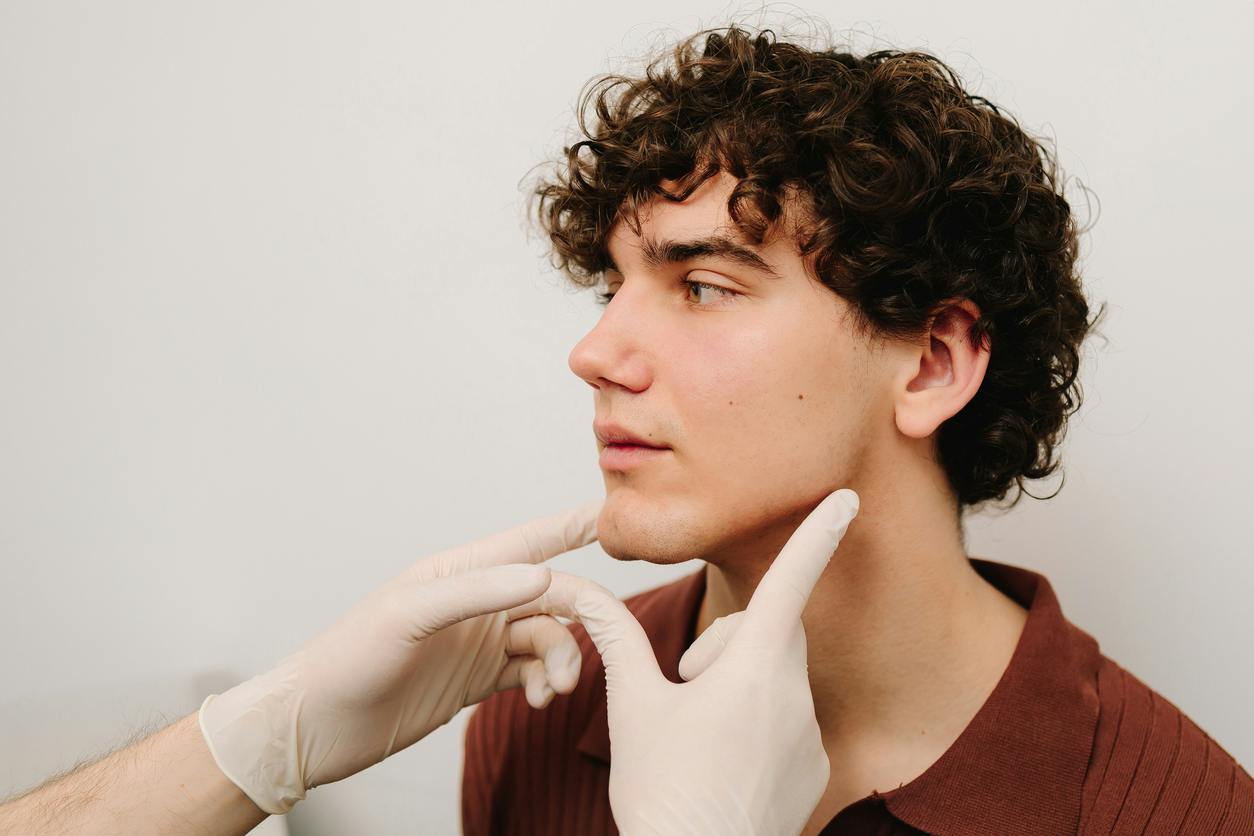
Your consultation is a chance to be properly heard. Mr Halsnad will ask about your symptoms, how they affect your day-to-day life, how long you have had them and what has already been tried. He will examine your jaw movement, joints, muscles and bite, and may arrange an X-ray, CT or MRI scan. You will leave with a clear diagnosis, a written summary of your options and, if surgery is recommended, an itemised quote.

How much does jaw and TMJ surgery cost?

Cost depends on the procedure, any imaging needed and whether you stay overnight. Arthrocentesis costs considerably less than orthognathic surgery, so Elanic quotes after your consultation rather than publishing a single price. If you are insured, check your cover with your insurer before your appointment. Self-funding patients, we partner with Chrysalis Finance to offer flexible payment options, allowing you to spread the cost of your treatment with interest-free and interest-bearing monthly repayment plans.

Banner media

What to Expect During Jaw & TMJ Treatment

Initial Assessment and Imaging

Before any procedure, your consultant reviews your symptoms alongside your imaging results to confirm the cause of your jaw or joint dysfunction. This helps determine whether surgery is appropriate and which approach is likely to work best.

Anaesthetic and Surgical Access

You'll be given an anaesthetic suited to your procedure. Minor interventions may only need a local anaesthetic, while more involved jaw correction typically requires a general anaesthetic. Your surgeon then makes a precise, carefully placed incision, often inside the mouth, to access the jaw or joint.

Correcting the Jaw or Joint

Your surgeon may reposition the jawbone, repair the joint, or address damaged tissue within it, depending on your diagnosis. Once the correction is complete, the incision is closed and you're moved to recovery for monitoring before discharge.

Background media

Jaw & TMJ Recovery

Recovery time depends on the procedure performed. Many patients return home the same day or after a short hospital stay, though some swelling, stiffness, or discomfort is common in the days afterwards. Your care team will help manage this with pain relief and clear aftercare guidance.

Most patients return to a normal diet and daily activities over several weeks. Elanic schedules follow-up appointments to check your progress and address any concerns along the way.

Jaw & TMJ Results

Results can include reduced pain, improved jaw function, and better facial balance, though outcomes depend on your individual diagnosis and procedure. Many patients notice gradual improvement as swelling resolves. Final results are typically visible within a few months.

Banner media

Related Treatments at Elanic

  • Maxillofacial Surgery: Covers a broad range of procedures addressing the face, jaw, and oral structures.
  • Oral Surgery: Treats conditions affecting the mouth, jaw, and face, from impacted teeth to facial trauma.
  • Surgical Tooth Extractions: Removes teeth that are impacted or too damaged for routine removal.
  • Genioplasty: Reshapes the chin to improve facial balance and correct bite-related concerns.
Logo media

Jaw & TMJ Surgery FAQs

Answered by Mr Moorthy Halsnad, Consultant Oral & Maxillofacial Surgeon

What is the difference between jaw pain and a TMJ disorder?

Will I definitely need surgery?

Can stress make TMJ symptoms worse?

What happens if a TMJ disorder is left untreated?

Do I need braces before corrective jaw surgery?

What are the risks of jaw or TMJ surgery?

How long does the operation take?

When can I eat normally again?

What is the difference between jaw pain and a TMJ disorder?

Occasional jaw ache after chewing something tough is normal and settles on its own. A TMJ disorder causes symptoms that keep coming back, such as clicking, locking or pain that does not ease with rest. If it has lasted more than a few weeks, it is worth an assessment.

Will I definitely need surgery?

No. Most of my TMJ patients improve with non-surgical treatment. I only recommend surgery when those measures have not worked or when the problem is structural, such as a severely displaced disc, advanced arthritis or a misaligned jaw.

Can stress make TMJ symptoms worse?

Yes. Stress often leads to clenching and grinding, especially at night, which overloads the joint and muscles. Managing stress and wearing a night splint are often part of my treatment plans.

What happens if a TMJ disorder is left untreated?

Some cases settle by themselves. Others worsen, with more pain, restricted opening and wear on the joint or teeth. An early assessment lets me find the cause and treat it before it progresses.

Do I need braces before corrective jaw surgery?

Usually, yes. Orthognathic surgery works best as a team approach: braces align the teeth before surgery, I reposition the jaws, and an orthodontist fine-tunes the bite afterwards.

What are the risks of jaw or TMJ surgery?

General risks include infection, bleeding and swelling. Specific risks include temporary numbness of the lip, chin or tongue, temporary weakness of facial movement after open joint surgery, and changes to the bite. I will explain each risk as it applies to your procedure before you decide.

How long does the operation take?

Arthrocentesis takes under an hour. Orthognathic surgery on both jaws can take three to four hours. I will give you a precise estimate once your plan is agreed.

When can I eat normally again?

After joint procedures, most people return to normal food within one to two weeks.

Schedule Your Consultation at Elanic

If jaw pain, clicking, or limited movement is affecting your daily life, Elanic's consultants are ready to help you find the right treatment plan. Contact Elanic today to schedule your consultation and take the next step towards lasting relief.

*This information is provided for educational purposes only and does not replace a consultation with a qualified consultant surgeon. Outcomes, risks, and suitability vary from patient to patient.

Contact us media
Book Consultation